D. Glindemann, A.
Dietrich, H.-J. Staerk, P. Kuschk.
The Two Odors of Iron when
Touched or Pickled: (Skin) Carbonyl Compounds and Organophosphines.
Angewandte Chemie International Edition (2006), 118(42), 7006–7009. DOI:
10.1002/anie.200602100
In Deutsch:
D. Glindemann, A.
Dietrich, H.-J. Staerk, P. Kuschk.
Die zwei Gerüche des Eisens bei Berühung und unter Säureeinwirkung – (Haut-)Carbonylverbindungen
und Organophosphine
http://www3.interscience.wiley.com/cgi-bin/abstract/113383440/ABSTRACT
Download "Supporting Information" for this article from the Journal:
http://www.wiley-vch.de/contents/jc_2002/2006/z602100_s.pdf
(Request PDF-Reprint of this article from dglindem@vt.edu)
(Request PDF of 15 pages of "Supporting Information" for this article from dglinde@aol.com)
External links to this publication (press releases, news paper articles, dictionary...):
"Angewandte Chemie" (English): http://www3.interscience.wiley.com/cgi-bin/jabout/26737/press/200641press.html
UFZ (Centre for Environmental Research, Umweltforschungszentum) Leipzig-Halle:
UFZ, English httJournal p://www.ufz.de/index.php?en=10473 UFZ, German: http://www.ufz.de/index.php?de=10473
NATURE (News at Nature, get PDF) http://www.nature.com/news/2006/061023/full/061023-7.html
CHEMICAL + ENGINEERING NEWS (C&EN) http://pubs.acs.org/cen/news/84/i44/8444iron.html
NewScientist http://www.newscientist.com/channel/being-human/mg19225754.400-ancient-human-hunters-smelt-blood-on-the-breeze.html
Chemistry World http://www.rsc.org/chemistryworld/News/2006/October/25100601.asp
Medical News Today http://www.medicalnewstoday.com/medicalnews.php?newsid=54455
Daily Telegraph http://www.telegraph.co.uk/connected/main.jhtml?view=DETAILS&grid=A1&xml=/connected/2006/11/14/ecsmell14.xml
WIKIPEDIA (on-line dictionary) "Odor" "Odour": http://en.wikipedia.org/wiki/Odor (look at the bottom of the entry for "Odor" or "Odour").
Sciencedaily: http://www.sciencedaily.com/releases/2006/10/061018150716.htm
In Russian language: http://www.lenta.ru/news/2006/11/09/smell/, or GOOGLE: запаха железа
Deutsch (German):
"Frankfurter Allgemeine Zeitung" (Download PDF).
"Die Welt" http://www.welt.de/data/2006/10/24/1083765.html
"Neue Züricher Zeitung" (NZZ) http://www.nzz.ch/2006/11/01/ft/articleELVX2.html
"BILD" Zeitung
MZ Mitteldeutsche Zeitung (Download PDF)
Informationsdienst Wissenschaft (Gesellschaft Deutscher Chemiker e.V.) http://idw-online.de/pages/de/news180469
Scienceticker (in German) http://www.scienceticker.info/2006/10/18/forscher-erklaeren-eisen-geruch/
Radio (WDR5, MDR, RBB) und TV (MDR)
WIKIPEDIA (on-line Wörterbuch): http://de.wikipedia.org/wiki/Eisen (siehe dort unten "Duft des Eisens")
The problem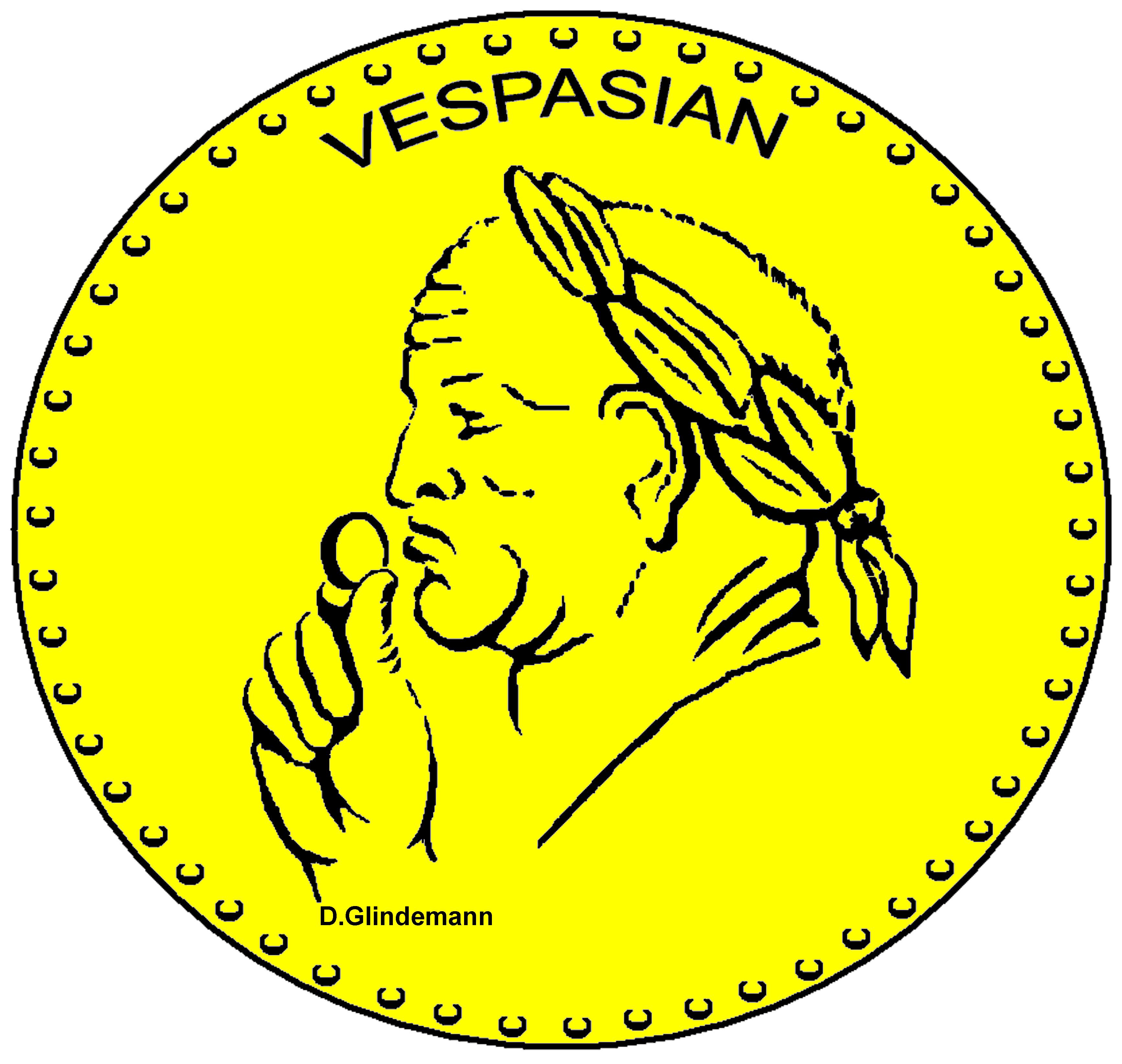 The
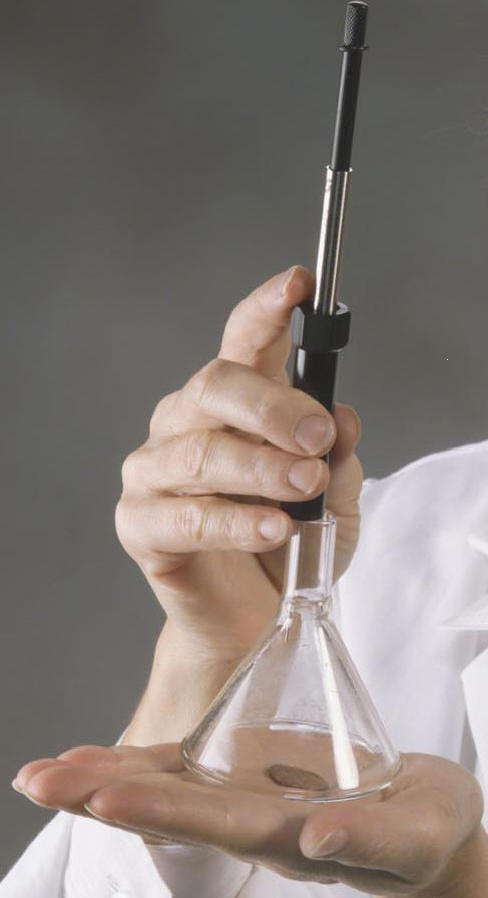
method
The
method
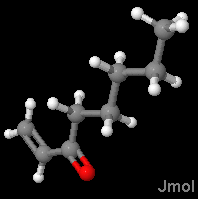
The result: 1-Octen-3-one, CAS No.
4312-99-6